Why Crypto's Chaos Hides Its Biggest Opportunity (Reddit's Take)
Alright, folks, buckle up, because the crypto world is about to get a whole lot more… well, stable. I know, I know, "stable" and "crypto" in the same sentence might sound like a joke after the rollercoaster we've all been riding, but hear me out. We're not talking about the same wild west we saw a few years ago. 2026 is shaping up to be the year the foundation gets poured for something truly lasting.
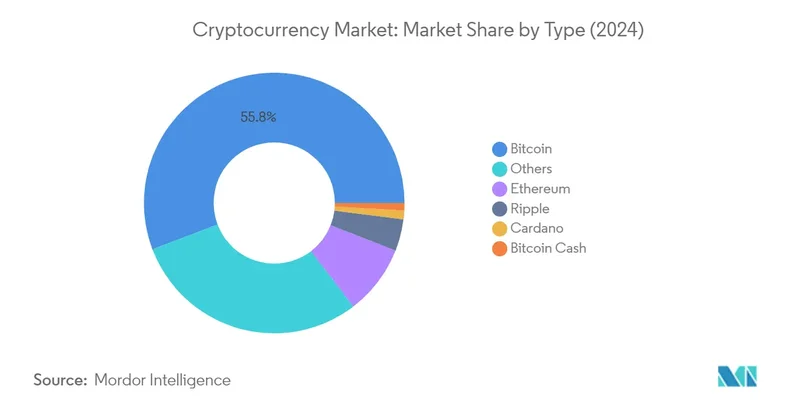
Current Market Turbulence
The headlines lately haven't exactly been sunshine and rainbows. Take, for instance, the fact that Strategy, a major crypto-holding company, is facing potential removal from global indices. That kind of news can send shivers down the spine of even the most seasoned investor. But what if I told you this short-term turbulence is actually a sign of long-term health?
Crypto Market Stabilization
See, the crypto market is entering a phase of stabilization, marked by a sharp reduction in debt burden, seller exhaustion, and capitulation of short-term holders, according to analysts at Bitfinex [Article 2]. This isn't just about prices going up or down; it's about the entire ecosystem maturing. It’s like a forest fire clearing out the underbrush to make way for new growth.
Regulation: The Unsung Hero
One of the biggest drivers of this stability? Regulation. I know, the "R" word can sound like a buzzkill, but trust me, this is good news. TRM Labs' Global Crypto Policy Review & Outlook 2025/26 report highlights that over 70% of jurisdictions progressed stablecoin regulation in 2025. And increasing regulatory clarity also created major tailwinds for institutional adoption, with financial institutions in about 80% of jurisdictions announcing new digital asset initiatives [Article 3]. Imagine that – Wall Street finally feeling safe enough to dive in!
Think about it: what's been holding back mainstream adoption of crypto? Fear. Fear of scams, fear of volatility, fear of the unknown. Regulation, done right, addresses those fears head-on. The US GENIUS Act, for example, is a landmark piece of legislation on stablecoins, establishing a federal regime for issuance, reserves, audits, and oversight [Article 3]. It’s like building a bridge across a chasm – suddenly, a whole new world of possibilities opens up.
And it's not just the US. From the EU's MiCA framework to Hong Kong's ASPIRe roadmap, countries around the globe are working to create clear, consistent rules of the road. This isn't about stifling innovation; it's about creating a level playing field where everyone knows the rules and can play with confidence.
Now, I know what some of you are thinking: "But Aris, regulation is just going to kill the spirit of crypto!" And, yeah, I get that. There's always a risk of overreach, of stifling the very innovation we're trying to foster. But here's the thing: the Wild West was exciting, but it wasn't exactly a place you'd want to build a family. We need some law and order if we want crypto to truly change the world. What are the long-term effects of these regulations? How will this affect smaller crypto start-ups?
Tech: The Engine of Progress
But regulation is only half the story. The other half is technology. We're seeing incredible advancements in everything from blockchain scalability to security protocols. Take IO DeFi, for instance. They're focusing on sustainable infrastructure, reinforced security, automated daily settlement, and transparent data architecture [Article 4]. It’s about creating a system that's not just fast and efficient, but also reliable and trustworthy.
It's like the early days of the internet. Remember dial-up modems? Remember how clunky and unreliable everything was? Now, imagine trying to run today's internet on that kind of infrastructure. It would be impossible! We need the same kind of upgrade for crypto, and that's exactly what these technological advancements are providing.
And let's not forget about stablecoins. These digital dollars are becoming increasingly sophisticated and regulated, making them a viable alternative to traditional currencies for everyday transactions. The UAE, for example, is anchoring digital payments to the UAE dirham, reaffirming monetary sovereignty and prohibiting the use of foreign currency or algorithmic stablecoins [Article 3]. It’s about creating a digital financial system that's not just decentralized, but also stable and secure.
When I first started seeing the potential of crypto, I was immediately drawn to the idea of decentralization and giving the power of finance back to the individual. But what I didn’t realize was that this vision requires a foundation of trust and stability. And that’s exactly what we’re building now. But, as we move forward, we must also remember the ethical responsibilities that come with this power. How do we ensure that this new financial system is accessible to everyone, regardless of their background or location?
The Dawn of a New Era
So, what does this all mean? It means that crypto is growing up. It's shedding its image as a risky, unregulated Wild West and transforming into a mature, reliable, and innovative financial system. It’s not going to happen overnight, of course. There will be bumps in the road, setbacks, and unexpected challenges. But the trend is clear: crypto is here to stay, and it's only going to get bigger and more important in the years to come.
A Glimpse of Tomorrow
What I see is a future where crypto is seamlessly integrated into our everyday lives. Where we can use digital currencies to buy groceries, pay bills, and send money to friends and family, all without having to worry about volatility or scams. Where decentralized finance empowers individuals and small businesses, giving them access to capital and opportunities they never had before. It’s not just about making money; it’s about building a better world, one transaction at a time.

-
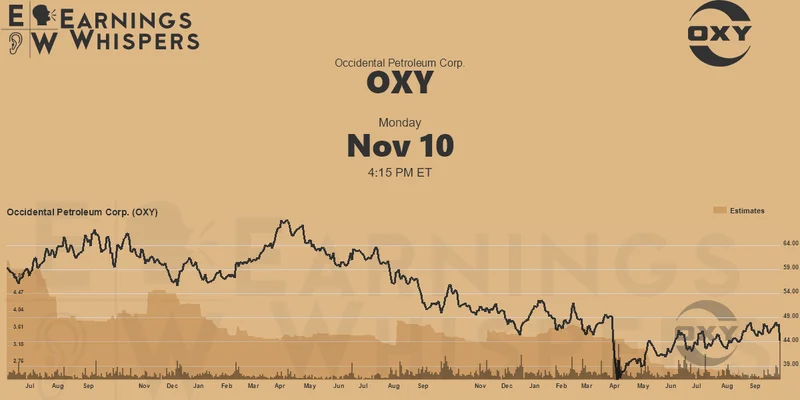
Warren Buffett's OXY Stock Play: The Latest Drama, Buffett's Angle, and Why You Shouldn't Believe the Hype
Solet'sgetthisstraight.Occide...
-

The Great Up-Leveling: What's Happening Now and How We Step Up
Haveyoueverfeltlikeyou'redri...
-

The Future of Auto Parts: How to Find Any Part Instantly and What Comes Next
Walkintoany`autoparts`store—a...
-

Applied Digital (APLD) Stock: Analyzing the Surge, Analyst Targets, and Its Real Valuation
AppliedDigital'sParabolicRise:...
-
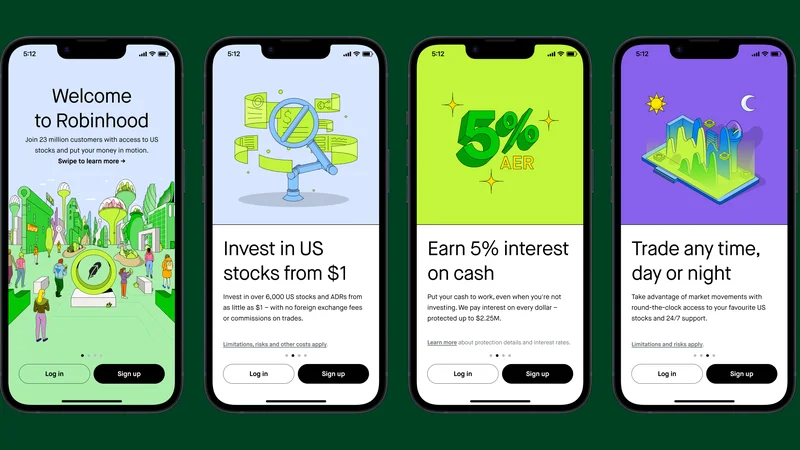
Analyzing Robinhood: What the New Gold Card Means for its 2025 Stock Price
Robinhood's$123BillionBet:IsT...
- Search
- Recently Published
-
- DeFi Post-Crash: Why the Investor Story Is Wrong (Thoughts?)
- Bitcoin's $80K Risk: The Key Level to Watch - Thoughts?
- Why Crypto's Chaos Hides Its Biggest Opportunity (Reddit's Take)
- DeFi Tokens Post-October Crash: What's Really Happening & The 2025 Outlook
- Why Altcoin Season Is Here: Three Unstoppable Forces - Debate Intensifies
- Benny Blanco's Pink Pineapple: Seriously? - Pineapple-Mania Unleashed!
- The Pink Pineapple: The Data Behind the Viral Sensation - Reactions: Obsessed!
- The Unseen Shift: Why Bitcoin Indicators Failed - Debate Intensifies
- The Three Bubble Problem: AI, Crypto, and Debt Explained - Twitter Explodes
- Why Crypto's $15B Expiry Won't Matter - Discussed!
- Tag list
-
- Blockchain (11)
- Decentralization (5)
- Smart Contracts (4)
- Cryptocurrency (26)
- DeFi (5)
- Bitcoin (31)
- Trump (5)
- Ethereum (8)
- Pudgy Penguins (7)
- NFT (5)
- Solana (5)
- cryptocurrency (6)
- bitcoin (7)
- Plasma (5)
- Zcash (12)
- Aster (10)
- nbis stock (5)
- iren stock (5)
- crypto (7)
- ZKsync (5)
- irs stimulus checks 2025 (6)
- pi (6)
- kimberly clark (5)
- uae (5)
- uber stock (5)