DeFi Post-Crash: Why the Investor Story Is Wrong (Thoughts?)
The DeFi Mirage: Solana vs. the 1000x Dream
The crypto markets are awash with "next big thing" narratives. Right now, it's all about Layer-2 scaling solutions, meme coins, and AI integration. The promise? 1000x returns. The reality, as always, is far more nuanced. Let's drill down, shall we?
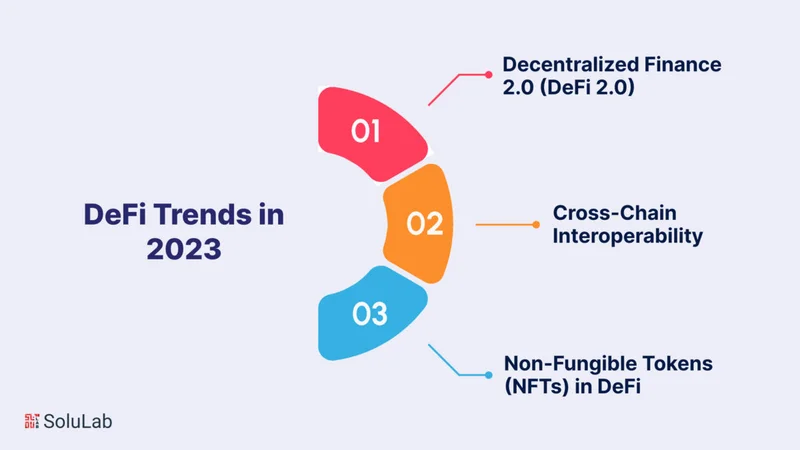
DeFi Token Performance: A Reality Check
The recent DeFi token performance data paints a sobering picture. FalconX reported that as of late November 2025, only 2 out of 23 leading DeFi tokens were up year-to-date. The group, on average, was down 37% quarter-to-date. This isn't just a minor dip; it's a sector-wide correction. While some investors are rotating into "safer" names with buybacks (HYPE, CAKE), or tokens with "fundamental catalysts" (MORPHO, SYRUP), the overall trend is clear: risk-off. Lending and yield names are perceived as "stickier" than trading activity, but even that is a relative assessment.
Solana: A Closer Look at the Numbers
Then we have the Solana narrative. High throughput (1,000+ TPS), low transaction costs (~$0.00025), and a growing ecosystem encompassing DeFi, NFTs, and dApps. The Solana Foundation is pushing the narrative that real network activity underpins demand for SOL, not speculative hype. The numbers, at first glance, seem to support this. Active validators: 1,295. Uptime: ~99.9%. DeFi TVL: $5.1B. NFT volume: $1.2B. Monthly active addresses: ~1.3M.
Solana's Trade-offs: Decentralization and Congestion
But let's inject some skepticism. Solana's high throughput comes at a cost: elevated hardware requirements for validators. This, in turn, leads to validator concentration among well-capitalized operators. (Validator distribution is primarily in North America and Western Europe.) The Nakamoto Coefficient, a measure of decentralization, is 20. That's moderate, not stellar. And while the Solana team touts near-constant uptime, the network does experience congestion during peak demand, like NFT drops. The system isn't as robust as the marketing suggests.
The 1000x Hype Machine
The "next 1000x crypto" articles are everywhere. Bitcoin Hyper (HYPER), Maxi Doge (MAXI), PEPENODE (PEPENODE), LiquidChain (LIQUID), SUBBD (SUBBD)... the list goes on. These are positioned as "penny cryptos" with the potential to deliver life-changing profits. A closer look reveals a familiar pattern: presales, staking rewards, meme appeal, and promises of disrupting established sectors. Bitcoin Hyper, for example, claims to be the first Layer 2 chain scaling Bitcoin, leveraging Solana's high throughput. Maxi Doge is a meme token capitalizing on the Dogecoin universe. PEPENODE is a "gamified Pepe-based token with mining possibilities." It all sounds very exciting.
The High Risk of "Penny Cryptos"
The problem? The vast majority of these projects will fail. The crypto space is littered with abandoned projects, rug pulls, and vaporware. Picking the "next 1000x crypto" is less about fundamental analysis and more about catching lightning in a bottle. And this is the part of the report that I find genuinely puzzling. The articles themselves, in their concluding sections, contradict themselves. "Finding the next 1000x crypto is challenging. The best strategy is to diversify your portfolio funds across multiple tokens with a small market capitalization." (In other words, it's a lottery ticket.)
Solana's Correlation with Bitcoin
What about Solana's correlation with Bitcoin? The figure averages around 0.7. That means SOL's short-term price behavior is heavily influenced by broader market trends, regardless of network fundamentals. So, all of Solana's technological advantages and ecosystem growth are, to a large extent, at the mercy of Bitcoin's price action.
The Methodological Critique
Let's step back and question the entire premise of these "next 1000x crypto" lists. How are these projects selected? What criteria are used? The articles often cite factors like "innovative use cases," "active developer communities," and "solid tokenomics." But these are subjective assessments. One person's "innovative use case" is another person's solution in search of a problem. The "active developer community" could consist of a handful of contributors. And "solid tokenomics" can be easily manipulated to create artificial scarcity.
The Bias in Crypto Investment Articles
The data is inherently biased. These articles are essentially marketing materials disguised as investment advice. They are designed to generate buzz and drive traffic to presales. And while it's possible that one of these projects will deliver 1000x returns, the odds are stacked against it.
The Solana Gamble
So, where does this leave Solana? It's a technologically impressive blockchain with a thriving ecosystem, but it's not immune to market forces. Its high throughput comes with trade-offs in decentralization. And its price is heavily correlated with Bitcoin.
The Importance of Utility vs. Speculation
The Solana Foundation is betting that utility will ultimately drive demand for SOL. That may be true in the long run, but in the short term, speculation and market sentiment will continue to play a significant role. And as the DeFi token performance data shows, the market can turn against even the most promising sectors. According to DeFi Token Performance & Investor Trends Post-October Crash, the market has shown a risk-off trend.
Reality: No Guarantees
The crypto market is a volatile and unpredictable beast. The promise of 1000x returns is alluring, but it's also highly improbable. Approach these opportunities with caution, do your own research, and never invest more than you can afford to lose.
The Numbers Don't Lie
The "next 1000x crypto" narrative is largely a marketing ploy. Focus on solid fundamentals, manage your risk, and don't get caught up in the hype. The data suggests a sober outlook for DeFi, even for promising platforms like Solana.

-
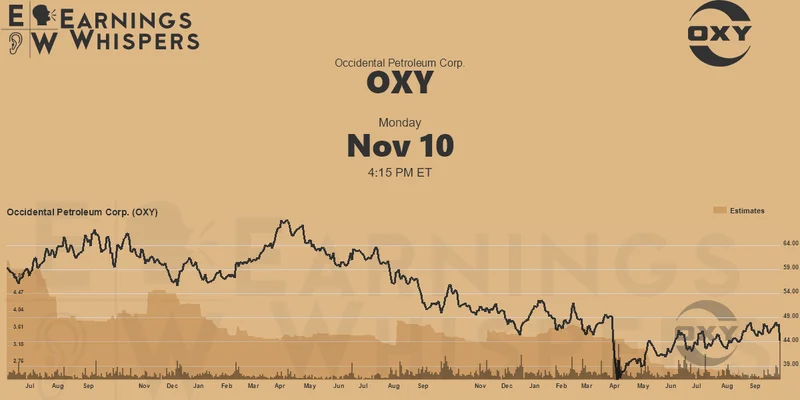
Warren Buffett's OXY Stock Play: The Latest Drama, Buffett's Angle, and Why You Shouldn't Believe the Hype
Solet'sgetthisstraight.Occide...
-

The Great Up-Leveling: What's Happening Now and How We Step Up
Haveyoueverfeltlikeyou'redri...
-

The Future of Auto Parts: How to Find Any Part Instantly and What Comes Next
Walkintoany`autoparts`store—a...
-

Applied Digital (APLD) Stock: Analyzing the Surge, Analyst Targets, and Its Real Valuation
AppliedDigital'sParabolicRise:...
-
Analyzing Robinhood: What the New Gold Card Means for its 2025 Stock Price
Robinhood's$123BillionBet:IsT...
- Search
- Recently Published
-
- DeFi Post-Crash: Why the Investor Story Is Wrong (Thoughts?)
- Bitcoin's $80K Risk: The Key Level to Watch - Thoughts?
- Why Crypto's Chaos Hides Its Biggest Opportunity (Reddit's Take)
- DeFi Tokens Post-October Crash: What's Really Happening & The 2025 Outlook
- Why Altcoin Season Is Here: Three Unstoppable Forces - Debate Intensifies
- Benny Blanco's Pink Pineapple: Seriously? - Pineapple-Mania Unleashed!
- The Pink Pineapple: The Data Behind the Viral Sensation - Reactions: Obsessed!
- The Unseen Shift: Why Bitcoin Indicators Failed - Debate Intensifies
- The Three Bubble Problem: AI, Crypto, and Debt Explained - Twitter Explodes
- Why Crypto's $15B Expiry Won't Matter - Discussed!
- Tag list
-
- Blockchain (11)
- Decentralization (5)
- Smart Contracts (4)
- Cryptocurrency (26)
- DeFi (5)
- Bitcoin (31)
- Trump (5)
- Ethereum (8)
- Pudgy Penguins (7)
- NFT (5)
- Solana (5)
- cryptocurrency (6)
- bitcoin (7)
- Plasma (5)
- Zcash (12)
- Aster (10)
- nbis stock (5)
- iren stock (5)
- crypto (7)
- ZKsync (5)
- irs stimulus checks 2025 (6)
- pi (6)
- kimberly clark (5)
- uae (5)
- uber stock (5)