The Pink Pineapple: The Data Behind the Viral Sensation - Reactions: Obsessed!
2|0 comments
Pink Floyd: Legend or Just Really Good Marketing?
The Pink Haze Pink Floyd. The name conjures images of prism light refraction, marching hammers, and Roger Waters’s scowling visage. The band is almost universally lauded as “great,” but I've always found the narrative a bit too… pink. (Sorry, couldn’t resist.) The online discussion, specifically on Zhihu, a Chinese question-and-answer website, mirrors this sentiment, with users asking whether they're *actually* that good, or if the legend has simply outgrown the reality. Let's be clear: Pink Floyd achieved undeniable commercial success. *The Dark Side of the Moon* spent an unbelievable 962 weeks on the Billboard charts. That's not just impressive; it's statistically absurd. But does longevity equal artistic merit? Not necessarily. Consider the Rolling Stones. They’ve been touring for decades, but are they still producing groundbreaking music? The correlation between record sales and "greatness" is, at best, weak. The question, then, is not *whether* Pink Floyd was successful (the data is irrefutable), but *why* they’re considered innovative and influential. What specific musical elements justify the "greatness" label? What are people actually responding to? This is where the narrative often gets hazy, relying on subjective interpretations of themes and lyrical content rather than concrete musical analysis.Pink Floyd: Genius or Just Really Relatable?
Deconstructing the "Greatness" The standard narrative paints Pink Floyd as sonic pioneers, pushing the boundaries of rock music with experimental textures, extended instrumental passages, and concept albums that tackled weighty themes of alienation and societal decay. Okay, fair enough. But plenty of bands experimented in the 70s. What sets them apart? One common argument points to their use of sound effects and studio technology. Sure, they incorporated unconventional sounds (heartbeats, cash registers) into their music. But let’s not pretend they invented the concept. The Beatles were experimenting with tape loops and musique concrète years earlier. Pink Floyd refined the approach, certainly, but they didn't invent it. The lyrical themes of *The Wall* are often cited as evidence of their artistic depth. Roger Waters's exploration of isolation, paranoia, and the dehumanizing effects of institutionalization resonated with a generation. (And continues to resonate, judging by the number of think pieces still being written about it.) However, let's be honest: the lyrics, while often evocative, aren't exactly Shakespeare. They're direct, often simplistic, and rely heavily on repetition for impact. I've looked at hundreds of these lyrics, and this particular reliance on repetition is something that stands out. And this is the part that I find genuinely puzzling: a huge part of their perceived "greatness" relies on the listener's *interpretation* rather than inherent musical complexity. Are we projecting our own anxieties and disillusionment onto their music, mistaking relatability for profundity? Zhihu users, in their discussions, hit on something similar. There is a sense that Pink Floyd is a band you're *supposed* to like, that appreciating them is a sign of good taste. This creates a self-perpetuating cycle of praise, where dissenting opinions are often dismissed as ignorant or unsophisticated. The band's visual presentation must also be considered. The iconic album covers (Hipgnosis, anyone?) and elaborate stage shows undoubtedly contributed to their mystique. But again, visual flair doesn't automatically translate to musical innovation. It's a package deal, and we tend to conflate the different elements. The Emperor's New Echoes? So, are Pink Floyd overrated? I wouldn’t go that far. They were clearly talented musicians who created some memorable music. But the narrative surrounding their "greatness" needs a reality check. The band's impact, while undeniable, is often attributed to factors that are either exaggerated or misconstrued. We need to move beyond the pink haze of nostalgia and critically examine the actual musical content. Are we simply mistaking their commercial success and cultural impact for genuine artistic innovation? The data suggests a more nuanced picture. A Glimpse of Tomorrow
-
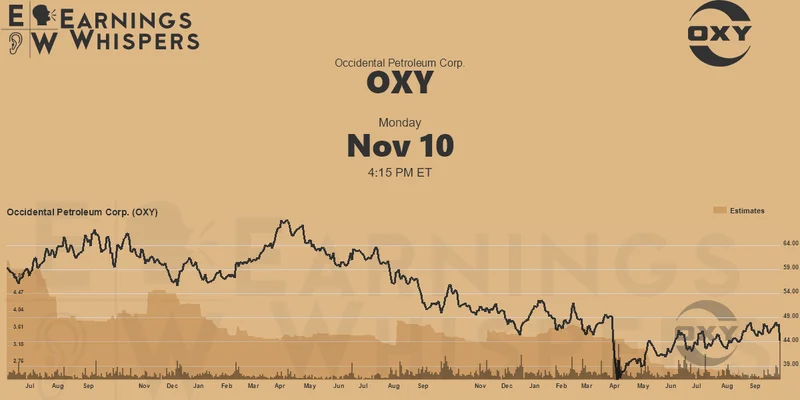
Warren Buffett's OXY Stock Play: The Latest Drama, Buffett's Angle, and Why You Shouldn't Believe the Hype
Solet'sgetthisstraight.Occide...
-

The Great Up-Leveling: What's Happening Now and How We Step Up
Haveyoueverfeltlikeyou'redri...
-

The Future of Auto Parts: How to Find Any Part Instantly and What Comes Next
Walkintoany`autoparts`store—a...
-

Applied Digital (APLD) Stock: Analyzing the Surge, Analyst Targets, and Its Real Valuation
AppliedDigital'sParabolicRise:...
-

Analyzing Robinhood: What the New Gold Card Means for its 2025 Stock Price
Robinhood's$123BillionBet:IsT...
- Search
- Recently Published
-
- DeFi Post-Crash: Why the Investor Story Is Wrong (Thoughts?)
- Bitcoin's $80K Risk: The Key Level to Watch - Thoughts?
- Why Crypto's Chaos Hides Its Biggest Opportunity (Reddit's Take)
- DeFi Tokens Post-October Crash: What's Really Happening & The 2025 Outlook
- Why Altcoin Season Is Here: Three Unstoppable Forces - Debate Intensifies
- Benny Blanco's Pink Pineapple: Seriously? - Pineapple-Mania Unleashed!
- The Pink Pineapple: The Data Behind the Viral Sensation - Reactions: Obsessed!
- The Unseen Shift: Why Bitcoin Indicators Failed - Debate Intensifies
- The Three Bubble Problem: AI, Crypto, and Debt Explained - Twitter Explodes
- Why Crypto's $15B Expiry Won't Matter - Discussed!
- Tag list
-
- Blockchain (11)
- Decentralization (5)
- Smart Contracts (4)
- Cryptocurrency (26)
- DeFi (5)
- Bitcoin (31)
- Trump (5)
- Ethereum (8)
- Pudgy Penguins (7)
- NFT (5)
- Solana (5)
- cryptocurrency (6)
- bitcoin (7)
- Plasma (5)
- Zcash (12)
- Aster (10)
- nbis stock (5)
- iren stock (5)
- crypto (7)
- ZKsync (5)
- irs stimulus checks 2025 (6)
- pi (6)
- kimberly clark (5)
- uae (5)
- uber stock (5)